Mastering the IELTS: The Ultimate Beginner's Foundation & Daily Success Habits
Premium Edition | Reading Time: 15 Minutes | Level: Beginner to Pre-Intermediate
Transform your English from survival level to confident fluency – step by step
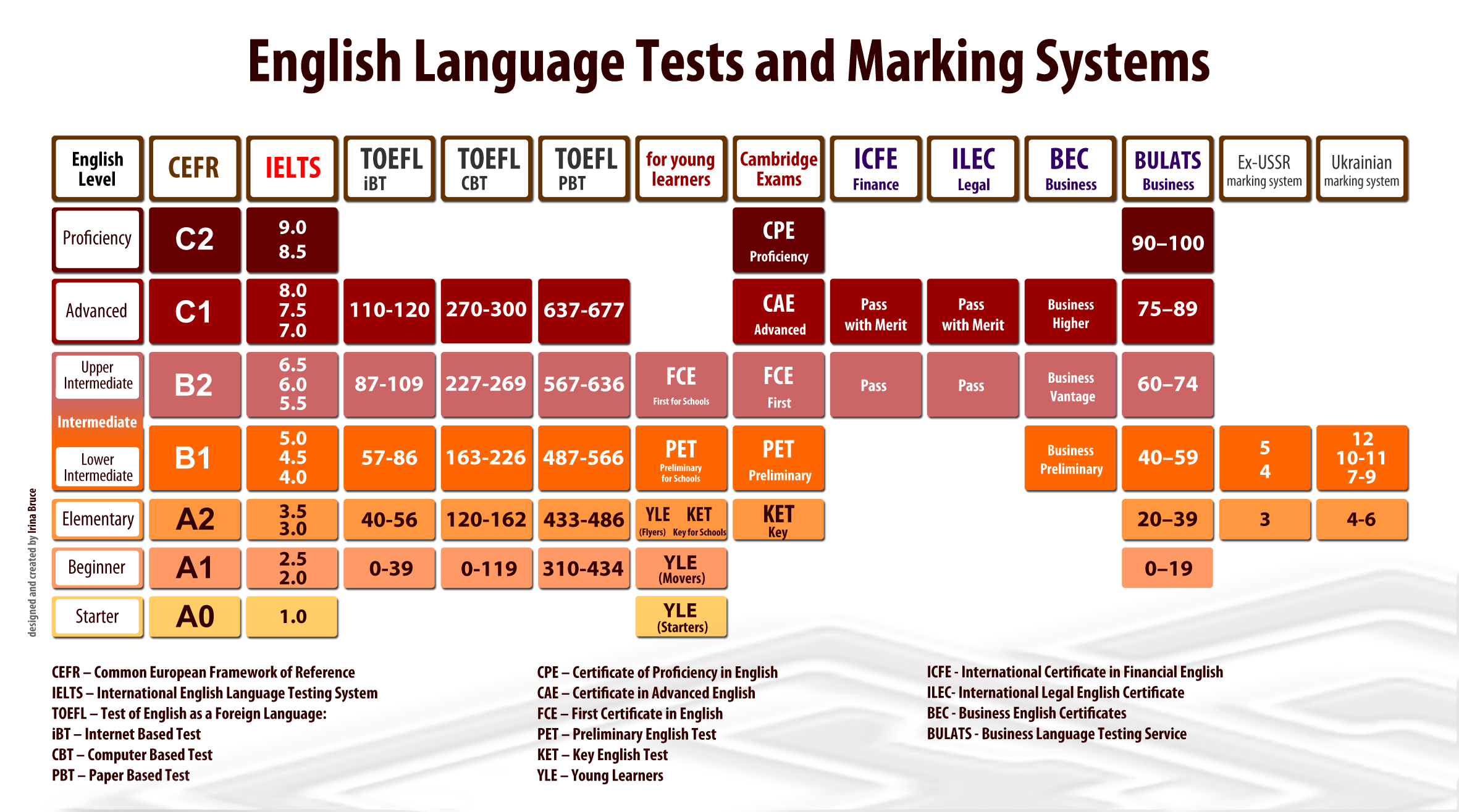
1. The IELTS Landscape: An Overview
The International English Language Testing System (IELTS) is more than just an exam — it's a clear, standardized map of your real-world English communication skills. Most beginners make the critical mistake of diving straight into full practice tests without first understanding the mechanics and scoring logic of the exam.
The Four Essential Pillars of IELTS
- Listening (30 minutes): 40 questions — from everyday conversations to academic lectures and discussions.
- Reading (60 minutes): 3 increasingly difficult passages. Key insight: It's primarily a vocabulary + scanning/skimming test, not deep literary analysis.
- Writing (60 minutes): Task 1 (describe data, process or map / write a formal letter) + Task 2 (opinion/argument/discuss essay — 250+ words).
- Speaking (11–14 minutes): Face-to-face interview with an examiner in 3 parts: introduction, long turn, discussion.

2. High-Impact Daily English Immersion Habits
To realistically move from Band 4–5 to Band 6.5–7.5, stop treating English like a school subject. Start treating it as a lifestyle with the powerful "Micro-Immersion" system — small, consistent, daily actions that compound massively over time.
| Time of Day | Activity (Daily) | Primary IELTS Benefit |
|---|---|---|
| Morning (5–10 mins) | Listen to BBC News, BBC Learning English, or short podcasts (6 Minute English) | Train your ear for main ideas, accents, and key gist — Listening Section gold |
| Commute / Breaks (10–15 mins) | Narrate your day out loud or in your head in full English sentences (internal monologue) | Build natural speaking fluency and reduce hesitation — huge for Speaking Part 2 & 3 |
| Evening (15–25 mins) | Read one high-quality editorial/article (The Guardian, BBC, Economist, National Geographic) | Absorb natural collocations, complex grammar, and topic-specific vocabulary in real context |

3. Building a Rock-Solid Foundation: Grammar & Vocabulary Strategy
Forget memorizing endless lists of "big academic words." The real winners focus on collocations — words that naturally live together in English. This makes your speaking and writing sound natural and accurate instantly.
Examples instead of single words:
- Instead of just "fast" → fast food, fast pace of life, break the fast, fast asleep
- Instead of just "make" → make a decision, make progress, make an effort, make a mistake
"Accuracy is the floor; Complexity is the ceiling. You cannot reach the ceiling if the floor is crumbling."

Final Words: Your IELTS Journey Starts Today
Your path to a strong IELTS band score is a marathon, not a 2-week sprint. By respecting the test format, building these micro-immersion habits, and focusing on natural, accurate English — you're already ahead of more than 50% of candidates who simply "wing it" with random practice.
Consistency beats intensity every single time. Start small today — and watch your confidence and band score grow steadily.





No comments:
Post a Comment